Edmonton’s Chinatown was once a vibrant business district — a place where families shopped, restaurants thrived, and community life pulsed through every street. Today, the area surrounding Hope Mission tells a very different story, one shaped by systemic gaps, overwhelmed services, and a growing population of people who have nowhere else to go. For many…
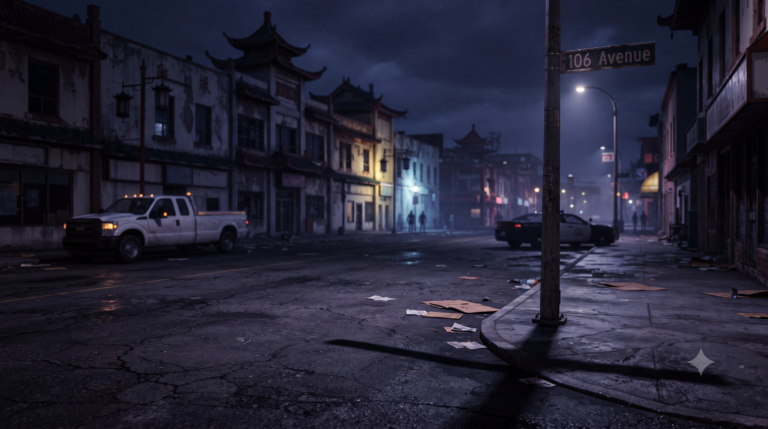
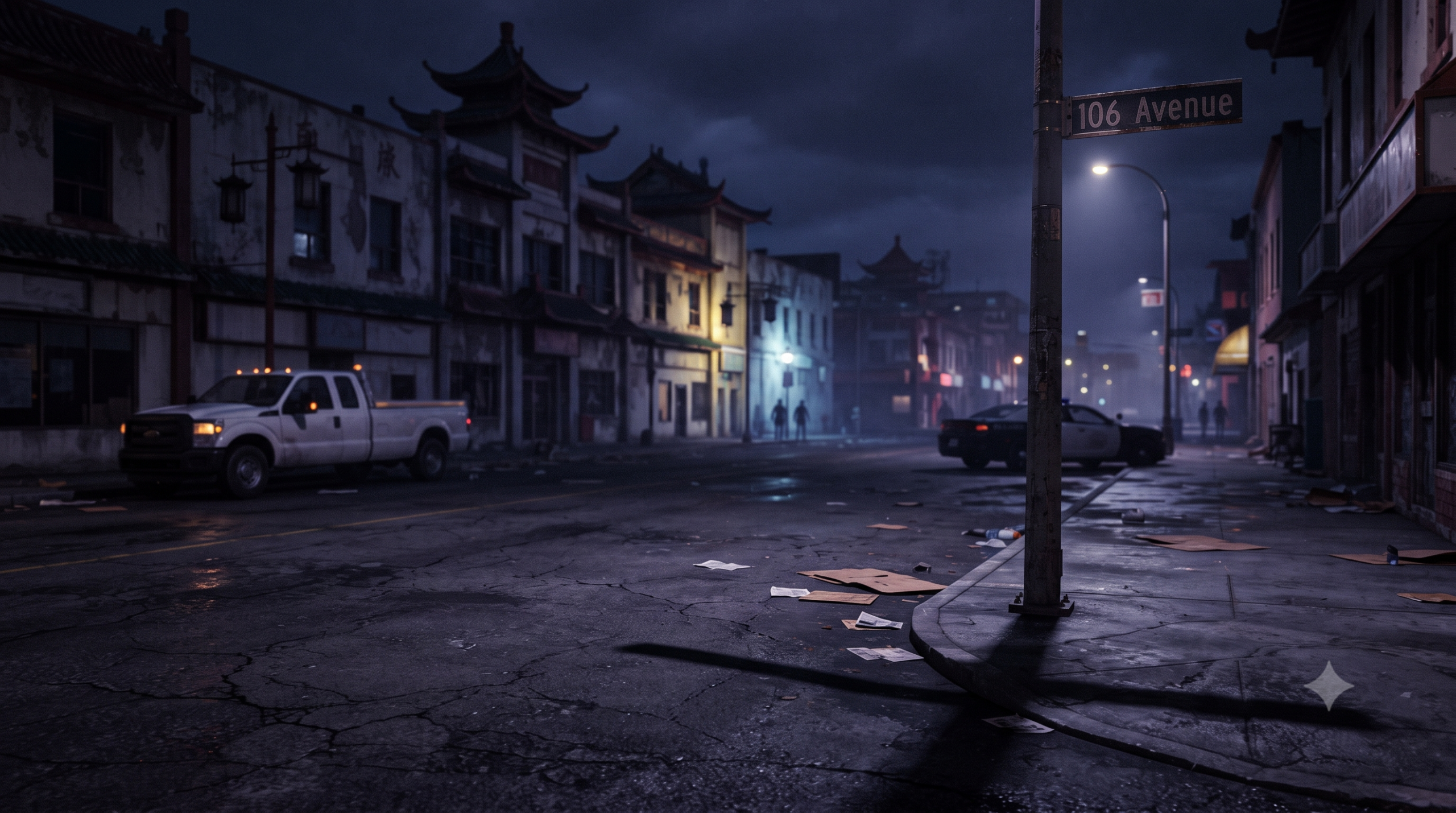
Edmonton’s Chinatown was once a vibrant business district — a place where families shopped, restaurants thrived, and community life pulsed through every street. Today, the area surrounding Hope Mission tells a very different story, one shaped by systemic gaps, overwhelmed services, and a growing population of people who have nowhere else to go.
For many unhoused individuals, Hope Mission is the last stop in a long chain of failures: housing shortages, untreated mental health conditions, addiction, poverty, and a lack of coordinated support. People are dropped off in the area with little more than a referral or a pamphlet — and often no real pathway to long-term stability.
The result is visible on the streets. Individuals wander without direction, some sleeping on sidewalks, others searching for food, warmth, or simply a safe place to exist. The surrounding blocks, once filled with small businesses, now struggle under the weight of social disorder, property damage, and the constant presence of crisis.
Police and cleanup crews cycle through the area daily. Their presence is not a solution — only a response. Officers speak with people who are clearly in distress, sometimes making arrests, sometimes offering help, but always working within a system that is stretched far beyond capacity. Cleanup teams remove debris, discarded belongings, and remnants of survival, only for the same conditions to return hours later.
The truth is simple: there is not enough help. Not enough housing. Not enough mental health support. Not enough addiction treatment. Not enough outreach workers. Not enough long-term planning.
Edmonton’s Chinatown has become a place where people are left to fend for themselves, not because the community doesn’t care, but because the infrastructure to support them is fragmented and underfunded. The district’s decline is not the fault of the unhoused — it is the result of decades of policy gaps and reactive approaches instead of proactive investment.
If Edmonton wants to restore Chinatown, it must start by restoring dignity and stability to the people who have been pushed into its streets. Real solutions require coordinated housing strategies, culturally informed outreach, mental health and addiction treatment, and a commitment to rebuilding the social fabric that once made this district thrive.
Until then, the cycle continues — people dropped off with nowhere to go, businesses struggling to survive, and a community caught between compassion and exhaustion.